

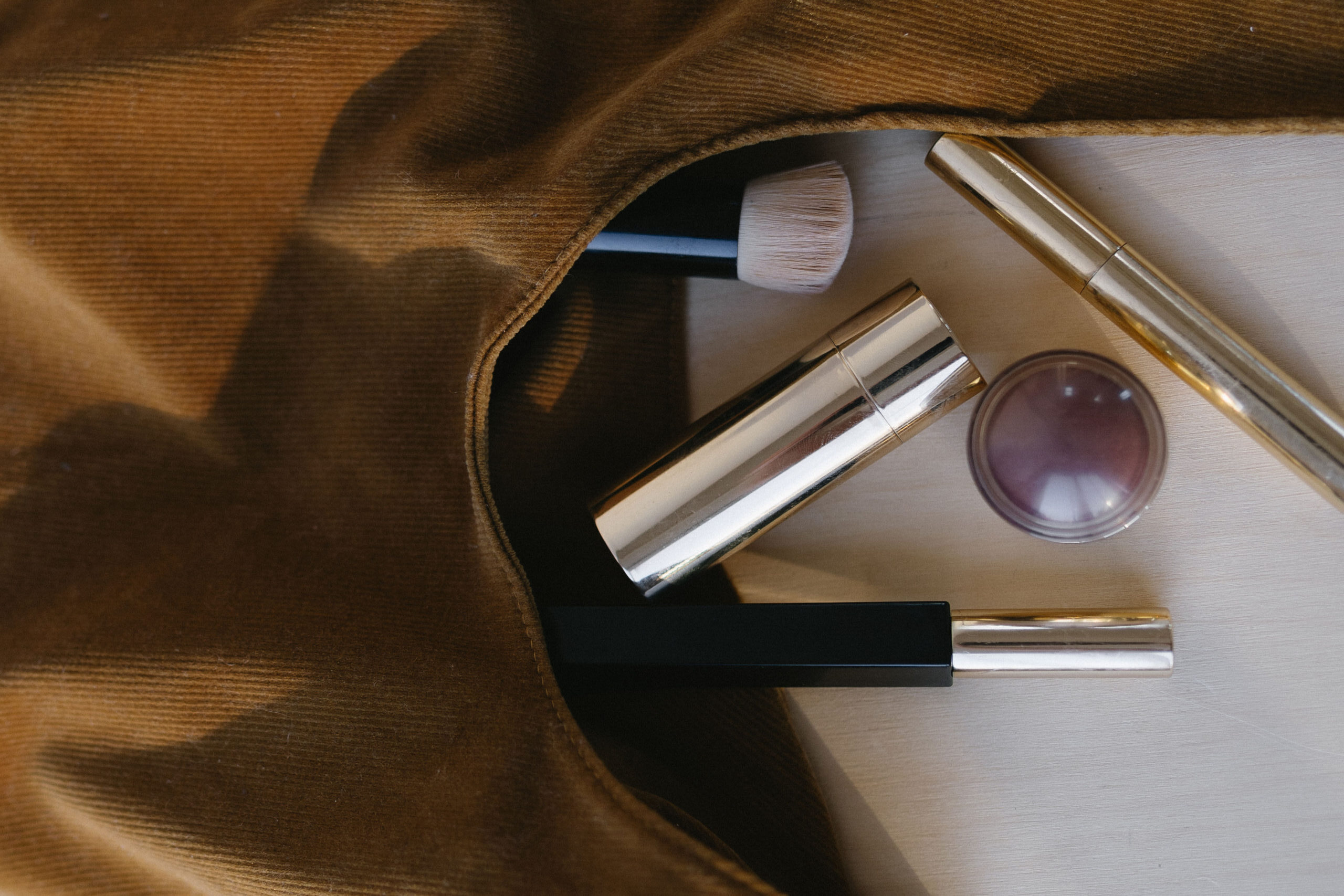

In 2022, Hailey Bieber launched a skincare brand called Rhode.
No major retail partnerships. No massive advertising campaign. Just a very clear point of view, a consistent presence across every place her customers were looking, and a message that resonated so deeply that by the time Rhode launched at Sephora in 2025 — it became the biggest beauty launch in Sephora North America history.
Three products per second on opening weekend.
And in 2025, Rhode was acquired by Elf Cosmetics for $1 billion — the fastest beauty brand acquisition in history.
Here’s what I want you to notice about that story. The sale happened at the register. But the decision — the moment her customer said “yes, I want this, I trust this, I’m buying this” — that happened long before she ever walked into Sephora.
It happened the first time she saw a creator she trusted talking about Rhode on Tuesday. It happened when she went to Rhode’s website on Wednesday and found exactly what she expected — clean, consistent, credible. It happened when she searched the brand on Thursday and found thousands of real customer reviews saying exactly what she’d already felt. It happened when she asked an AI tool for skincare recommendations on Friday, and Rhode kept coming up.
By Saturday, she wasn’t shopping. She was confirming.
There are 6 places customers look before booking a beauty business — and most owners have no idea how many of them they’re missing. That’s the journey your customer is on right now — for your medspa, your salon, your skincare studio, your wellness practice, your retail shop. She’s not waiting until she calls you to form an opinion. She’s forming it across six different places. And most small beauty, wellness, and retail businesses are only showing up in one or two of them.
Here’s what those six places are — and what your customer is looking for at each one.
Place 1: Google. Your Digital Front Door
Before she does anything else, she searches.
“Best medspa near me.” “Top-rated wellness studio in [city].” “Skincare boutique [neighborhood].” Whatever she types, Google is almost always the first place she goes — and what she finds there sets the tone for everything that follows.
When someone searches for your type of business, Google uses a combination of factors to determine which businesses to show: location data, customer reviews, website quality, and overall online presence. Your Google Business Profile is not optional. It is your digital front door. And like any front door, first impressions matter.
Here’s what she’s looking at when she finds you on Google: your star rating and how many reviews you have, whether those reviews have been responded to, your photos — are they current, professional, and welcoming — your hours, your location, and whether your description tells her anything meaningful about who you are and who you serve.
If your Google Business Profile is incomplete, your photos are outdated, or your reviews are sitting unanswered, she’s already forming a conclusion. Not necessarily a bad one — but an uncertain one. And uncertain customers don’t book. They keep scrolling.
What to do: Treat your Google Business Profile like a living marketing asset — not a set-it-and-forget-it listing. Update your photos seasonally. Respond to every review within 24 hours. Write a description that speaks to your customer’s outcomes, not just your service list. And make sure your hours, address, and contact information are always accurate.
Place 2: Your Website. Where She Goes to Verify
She found you on Google. She liked what she saw. Now she wants to know more.
She clicks through to your website — and this is where most small beauty, wellness, and retail businesses lose her. Not because their services aren’t good. Because their website doesn’t speak to her quickly enough.
Here’s the hard truth about your website in 2026: she is not reading it. She is scanning it. She has approximately five seconds to find the answer to one question: “Is this place for someone like me?”
If your homepage leads with your business history, your awards, or a long list of services with no context — she’s gone. If it leads with a clear, specific statement about who you help, what problem you solve, and what her life looks like after working with you — she stays.
Research shows that 75% of beauty purchases still happen in person — but the majority of the decision making happens online first. Your website is not where she buys. It’s where she decides. And those are very different jobs.
Think about Drunk Elephant — one of the most successful brands in a deeply saturated skincare market. They didn’t win by having the most products or the biggest website. They won by being relentlessly clear and consistent everywhere their customer looked — including their website. Every page told the same story. Every message reinforced the same values. By the time she reached the checkout, the decision was already made.
Your website needs to do the same thing. Not impress her. Not overwhelm her. Make her feel like she found exactly what she was looking for.
What to do: Look at your homepage with fresh eyes. What is the first thing a stranger reads? Does it tell her who you help and what changes for them? If your website reads like a service menu, it’s time to rewrite it around her story — not yours. The StoryBrand framework is the most practical tool I know for this.
Place 3: Social Media. Where She Watches You
She’s checked Google. She’s been to your website. Now she goes to Instagram — or TikTok, or Facebook, depending on her age and habits — to get a feel for who you actually are.
This is where she watches you. Not just your posts — you. How you show up. What you talk about. Whether your content feels consistent and intentional or scattered and promotional. Whether you seem like someone who knows her world and cares about it.
Social feeds influence 68% of global online beauty purchases. But here’s what most businesses get wrong about social media: they treat it like an advertising channel when their customer is treating it like a reference check.
She’s not on your Instagram waiting to be sold to. She’s there to answer the question: “Can I trust these people?” And the answer she’s looking for isn’t in your promotional posts. It’s in your educational content, your before-and-afters with real context, your behind-the-scenes moments, your responses to comments, and the consistency of your message across every post.
What she’s also noticing — and this matters more than most business owners realize — is whether you’re posting with a point of view or just posting to stay visible. There’s a difference. A business that posts with a clear perspective on its industry, its clients, and its approach feels authoritative. A business that posts filler content to hit a frequency goal feels like noise.
What to do: Audit your last 12 posts. Do they tell a consistent story about who you serve and what you believe? Does your content educate as much as it promotes? Are you responding to comments with actual engagement or just emoji acknowledgments? Social media isn’t where she decides — but it’s where she confirms she’s making the right decision.
Place 4: Reviews and Social Proof. Where She Validates
She’s done the research. She’s watched you on social. Now she needs confirmation from people who aren’t you.
Reviews are not a nice-to-have in 2026. They are a core part of your marketing — and your customer is reading them in ways most business owners underestimate. She’s not just counting stars. She’s reading the words. She’s looking for clients who sound like her, describing problems that sound like hers, getting results she wants for herself.
The numbers on this are significant. Brands featuring customer testimonials see trust levels increase by 45%. And 79% of consumers say user-generated content impacts their buying decisions more than influencer posts. The most persuasive thing on your marketing is not what you say about your business. It’s what your clients say.
But here’s what she’s also looking at: your responses. When a client leaves a glowing review and the business says nothing, she notices. When a client leaves a critical review and the business responds with grace and accountability, she notices that too — and it often makes her more likely to book, not less.
What to do: Make review generation a system, not an afterthought. Ask every satisfied client at the right moment — right after a great result, not at checkout when she’s distracted. Respond to every review within 24 hours. And make sure your testimonials on your website are specific, outcome-focused, and recent. Vague testimonials from three years ago don’t build trust — they raise questions.
Place 5: Creator Content and Word of Mouth. Where She First Discovered You
Here’s the place most small business owners don’t think about strategically — but it’s often where the journey starts.
She didn’t necessarily search for you first. Someone she follows mentioned you. A client posted about her results and tagged you. A local lifestyle blogger wrote about the best wellness studios in your area and included your name. A friend texted a recommendation while they were getting coffee.
These moments of discovery happen outside your control — but they’re not outside your influence. The businesses that get discovered this way consistently are the ones who have given their existing clients something worth talking about and made it easy to share.
The research is clear here: the “funnel” as we used to know it has collapsed. Discovery and decision now often happen simultaneously. A client posts about her experience on Tuesday and her follower books an appointment by Thursday — without ever going through a traditional consideration process. The social proof and the discovery happened at the same moment.
This is why your in-person experience matters as much as your online presence. The two are no longer separate. What happens in your treatment room or on your retail floor directly feeds what shows up online — through client posts, tagged photos, shared stories, and word of mouth that lives permanently on the internet.
What to do: Create moments worth sharing. Not just good service — genuinely remarkable moments that make clients want to tell someone. Then make it easy: have your Instagram handle visible, ask clients to tag you if they share, and when they do — respond immediately and enthusiastically. Every client post is a discovery moment for someone in her network.
Place 6: AI Search Tools. The Newest Place She’s Looking
This is the place most beauty, wellness, and retail businesses haven’t thought about yet — and it’s growing faster than any other place on this list.
Her research journey now includes asking AI. She types into ChatGPT: “What should I look for in a medspa?” She asks Google’s AI Overview: “What are the best skincare routines for someone in their 40s?” She uses Perplexity to compare treatment options before she commits to a consultation.
And here’s what determines whether your business shows up in those AI-generated answers: your presence and credibility across all five of the places listed above. AI tools draw from the same signals that determine your Google ranking, your review volume, your social presence, and your editorial mentions. A business with a strong, consistent, well-reviewed presence across multiple platforms is far more likely to be surfaced by AI tools than one that exists only on Instagram.
This isn’t something you optimize for separately. It’s the reward for doing everything else on this list consistently and well.
What to do: There’s no AI-specific tactic here — that’s the point. The businesses that show up in AI search results are the ones that have built a credible, consistent presence across all six places. Focus on the first five and Place 6 takes care of itself.
The Thread That Connects All Six Places
Drunk Elephant didn’t become one of the most trusted brands in a saturated skincare market by doing one thing brilliantly. They did every place consistently. Their Google presence matched their website. Their website matched their social. Their social matched their reviews. Their reviews matched what creators were saying. And all of it told the same clear, credible story.
That’s the thread. Consistency. Clarity. The same message showing up everywhere she looks — so that by the time she reaches out to you, the decision is already made. She’s just confirming what she already knows.
Most small beauty, wellness, and retail businesses are doing one or two of these places well. They have a beautiful Instagram but an outdated website. Or a great website but no Google presence. Or strong reviews but no social strategy. The gaps between the places are where customers fall through — and most business owners never know it happened because the customer who didn’t book doesn’t tell you why.
The fastest way to find your gaps is the StoryBrand Marketing Report Assessment — a free tool that audits your marketing presence across every touchpoint and shows you exactly where your credibility is breaking down. It takes ten minutes. The clarity is immediate. And it will show you precisely which of these six places needs the most attention in your business right now.
Take the free assessment here →
Once you’ve identified the gaps, rebuilding your message so it shows up consistently across all six places is a messaging problem — and the StoryBrand Soundbite Strategy Course is the most practical tool I know for solving it.
The Path Forward
Rhode Beauty sold three products per second on opening weekend not because Hailey Bieber is famous — plenty of celebrity beauty brands have failed — but because by the time her customer walked into Sephora, the decision was already made. She had seen Rhode in every place she looked. The message was consistent. The credibility was built. The trust was earned.
Your customer is doing the same research right now — for your business, and for your competitors. She’s checking Google, visiting websites, watching social feeds, reading reviews, asking friends, and querying AI tools. She’s forming an opinion at every stop.
The question isn’t whether she’s looking. She is.
The question is what she finds when she does.


Comments +